Introduction to the Kindle DX
The Kindle DX was Amazon’s large-format e-reader for readers who wanted more page space than the standard Kindle offered. It arrived at a time when dedicated e-readers were still proving their place, and its pitch was simple: make long-form reading easier on a bigger screen. For readers who want broader text layout and fewer page turns, that remains the Kindle DX’s most important idea.
This review focuses on practical use rather than nostalgia. If you want a broader view of the site, start at the home page or browse the blog index. For background on this site’s restoration purpose, the about page provides that context without getting in the way of the reading.
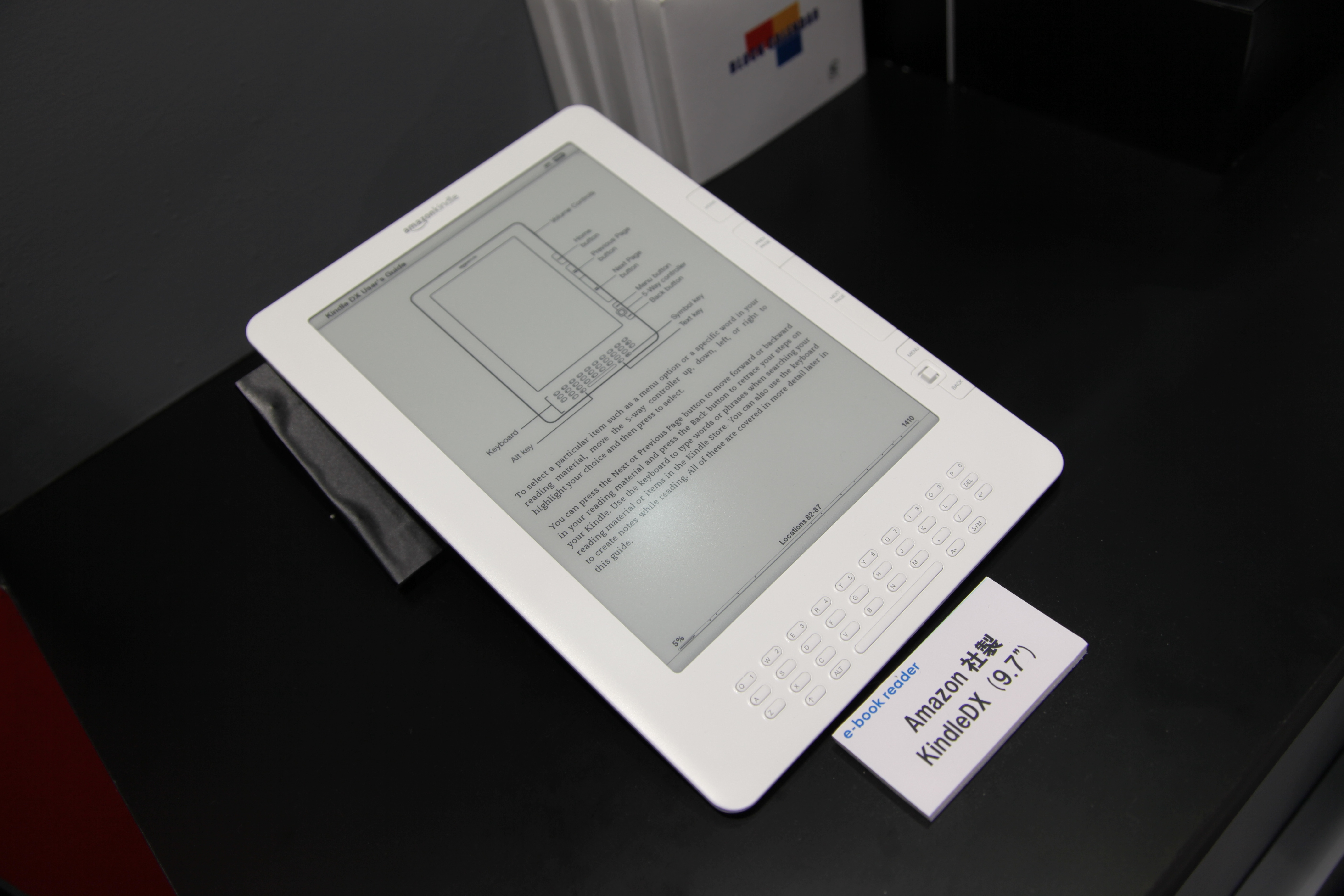
Key Features
The headline feature is the 9.7-inch E Ink display. Compared with smaller e-readers, that extra space makes newspapers, PDFs, and wide-format documents easier to read. The tradeoff is size and weight. A bigger screen helps with visibility, but it also makes the device less pocket-friendly and less comfortable to hold one-handed for long stretches.
Amazon promoted wireless downloading through its Whispernet service, which made it possible to get books without connecting to a computer. The device also offered generous storage for its era and support for common Kindle formats. According to Amazon’s own Kindle device documentation, the platform was built around frictionless delivery and a simplified reading workflow rather than hardware complexity. That is still the right way to judge the DX: convenience first, flexibility second. Amazon Kindle help documentation remains the clearest place to see how the ecosystem was intended to work.
The Kindle DX also fit into a broader e-book market that was still maturing. The Kindle family history shows how quickly Amazon moved from a compact reader to a larger model aimed at serious long-form reading. The DX was not trying to be a tablet. It was trying to be a better page.
User Experience
In daily use, the Kindle DX is best understood as a device for steady reading, not fast multitasking. Navigation is straightforward. Pages are simple to move through, menus are light, and the device does not ask much from the reader. That restraint is part of its appeal. Fewer distractions usually mean more reading.
The reading experience is strongest when the content matches the screen. Books look natural. PDFs can be workable. Newspapers and documents benefit from the larger display. By contrast, the device feels less efficient for users who want modern app features, touch interaction, or the fast responsiveness of current hardware. For a review of how e-readers evolved beyond that generation, The Verge’s Kindle history coverage gives useful context on what later devices changed and what they left behind.
Battery life was one of the DX’s practical strengths. Like many E Ink devices, it could last a long time between charges because the screen only uses power when content changes. That reduces maintenance and makes the device easier to trust over a trip or a long reading stretch. Wired’s long-running coverage of e-readers explains why this low-drain model matters so much for dedicated reading hardware. Wired’s e-reader guide is useful background for comparing old and new expectations.
Pros and Cons
| Pros | Cons |
|---|---|
| Large screen that works well for books and PDFs | Bigger and heavier than smaller e-readers |
| Simple interface with little distraction | Older hardware feels limited by modern standards |
| Strong battery life for long reading sessions | Not ideal for users who want touch-based convenience |
| Good fit for readers who value text clarity over portability | Less versatile than newer Kindle models |
There is a straightforward pattern here. The Kindle DX excels when the priority is reading comfort on a large display. It loses ground when the priority shifts to portability, speed, or modern software features. That is not a flaw so much as a boundary. Good device choices depend on respecting boundaries.
Final Thoughts
The Kindle DX makes sense for a specific reader: someone who wants a large E Ink screen and does not need the device to behave like a modern tablet. It is especially appealing for extended reading, document review, and users who prefer fewer distractions. Its limits are equally clear. The device is bulky by current standards, and its older feature set will not satisfy readers who want newer Kindle conveniences.
My verdict is cautious but positive. If the Kindle DX fits your reading habits, it can still be a useful and comfortable dedicated reader. If you need portability or modern features, newer e-readers will usually be the safer choice. For readers evaluating their next step, it is worth checking the broader site navigation, then deciding whether a large-screen reader or a lighter current model better matches the way you actually read.
Before buying any older device, verify the battery condition, charger compatibility, and format support. That small checklist prevents most avoidable mistakes. In this category, a little discipline saves a lot of annoyance.